Sistema.bio has closed a $53 million first tranche for FarmCarbon, a carbon finance vehicle built to lower the cost of climate technology for smallholder farmers across Africa, Asia, and Latin America.
Sistema.bio has closed a $53 million first tranche for FarmCarbon, a carbon finance vehicle built to lower the cost of climate technology for smallholder farmers across Africa, Asia, and Latin America.
The round brings in backing from BNP Paribas Asset Management Alts, British International Investment, and the Shell Foundation, and it will fund the rollout of more than 90,000 biodigesters.
The idea is straightforward but capital-intensive. Sistema.bio pre-finances biodigester installation, allowing farmers to access the hardware at a discounted price through upfront payment or instalments.
In return, the carbon credits generated by reduced methane emissions are assigned to the fund and sold through long-term offtake agreements.
That structure makes climate technology more affordable for farmers while giving carbon buyers a supply of verified emissions reductions.
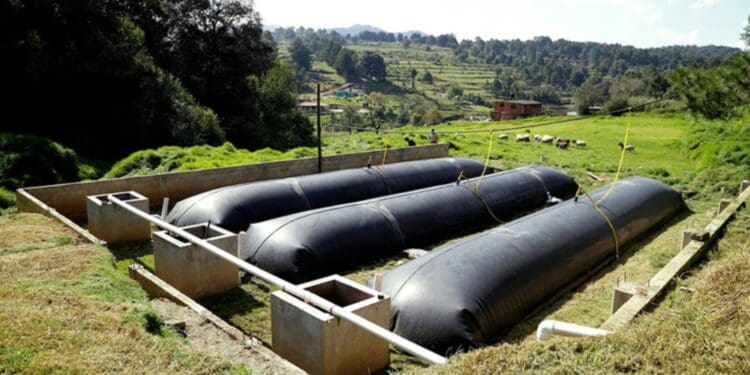
For the farmers, the model carries an operational upside as well. Biodigesters turn livestock waste into biogas for cooking, heating, and electricity, while the leftover digestate can replace chemical fertiliser.
That gives the project a second revenue and cost-savings layer that matters in smallholder agriculture, where margins are tight and upfront capital is often the main barrier to adoption.
The climate thesis is especially centered on methane, a gas with outsized warming impact that still receives only a small share of global climate finance.
FarmCarbon’s initial project has already been given an ex-ante AAe rating from BeZero Carbon and carries the Core Carbon Principles label, both signals that the market sees strong integrity in the carbon accounting framework.
From where this sits in the African startup conversation, the more interesting angle is that carbon finance is starting to look less like a sidecar to climate tech and more like the business model itself.
For many startups serving farmers, the end customer cannot bear the full cost of hardware, so the real product becomes a blend of equipment, financing, and carbon monetisation.
That can work well when the carbon methodology is robust and buyers stay committed, but it also ties the entire system to carbon market pricing, verification, and policy discipline.
Systema.bio’s advantage is years of field deployment and a model that links measurable emissions cuts to farmer-level economic benefits.
If FarmCarbon performs as planned, it could become a template for how African climate ventures finance adoption at scale, especially in sectors where emissions reductions and rural productivity move together.
This post was culled from Launch Base Africa.
Don’t miss important articles during the week. Subscribe to techbuild weekly digest for updates