Today on Techpoint Digest we discuss, generator theft at telco towers, moving abroad, and why Kenya has a problem with Meta's glasses.
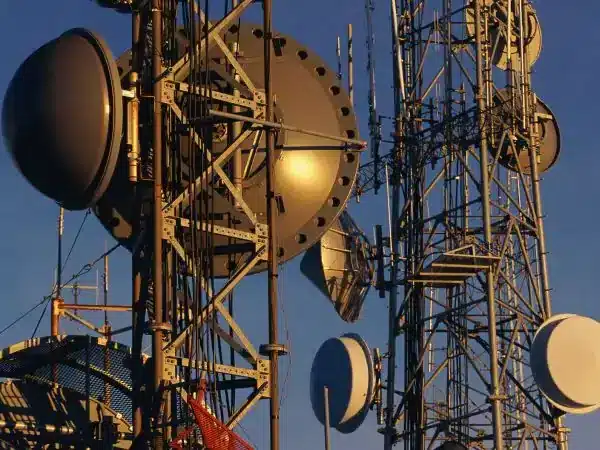
Hello, Here’s what I have for you today; Nigerian telcos lost ₦2.3 billion worth of generators to theft in 2025 When the Nigerian experience doesn’t hold ground in the diaspora Kenya is probing Meta’s smart glasses over privacy concerns Nigerian telcos lost ₦2.3 billion worth of generators to theft in 2025 telco Here’s how that number adds up: Telecom operators reported 656 stolen generators and battery systems in 2025. Now add this key detail from Lagos-based consultant Adewale Adeoye: each generator is typically a 15kVA unit worth about ₦3.5 million. Multiply that across hundreds of sites, and generator losses alone climb to roughly ₦2.3 billion, before even factoring in stolen batteries and other equipment. So this isn’t random theft. These generators are what keep telecom base stations running, especially in areas where grid power is unreliable. When they disappear, entire sites go offline, leading to dropped calls, slower data, and patchy service. And the problem is getting worse. Telcos are already juggling diesel costs, FX pressure, and expansion expenses. Add large-scale theft, and the cost of keeping networks stable keeps rising. Why does this matter? Because when network quality drops, this is part of the story. Not just demand, but missing infrastructure. Zoom out: If losses like this continue, operators will either absorb the cost or pass it on to consumers like you and me. However, telcos can’t increase tariffs at will, so we might just have to contend with degrading services. When the Nigerian experience doesn’t travel Abiodun Adetu Moving abroad is often viewed as a step into something better, with stronger systems, more opportunities, and a smoother path to success. But for many Africans in the diaspora, the reality is totally different. Victoria Fakiya – Senior Writer Techpoint Digest Stop struggling to find your tech career path Discover in-demand tech skills and build a standout portfolio in this FREE 5-day email course That was the experience for Abiodun Adetu, a Nigerian media and communications professional who relocated to Canada in 2019. She had over 15 years of experience in her field, only to find that her track record didn’t carry the same weight abroad. Like many immigrants, she had to revalidate her expertise, taking new courses not for knowledge, but for recognition. But instead of stopping at rebuilding her career, she chose to build something else entirely. Through Babsomo Communications, she continues her work in storytelling and brand strategy. With Kara, her magazine, she’s documenting African culture for a global audience. And with Naija Market Day, she’s recreating the Nigerian market experience for Africans. What started as a response to isolation has grown into a multi-city marketplace across Canada, designed to bring Nigerians and Africans together through culture, commerce, and shared identity. In Delight’s latest for Techpoint Diaspora, Adetu reflects on her journey from Nigeria’s media landscape to Canada’s diaspora economy, the challenges of navigating systems that demand validation over experience, and how those experiences led her to create Naija Market Day. Read the full story here. Kenya is probing Meta’s smart glasses over privacy concerns Image by Freepik Kenyan authorities have launched an investigation into Ray-Ban Meta smart glasses over fears that the device could violate user privacy. The concern? These glasses don’t just take photos; they can capture and process real-world data in ways most people don’t fully understand. Recent investigations revealed that footage from the glasses — sometimes deeply personal — has been reviewed by human contractors, including workers based in Kenya. We’re talking about videos of people in private moments, financial details, and everyday interactions, captured and used to train AI systems. Meta says users control what gets shared. But critics argue most people don’t realise how much data they’re giving away, especially when using AI features like voice commands. Kenya sits at the centre of this issue, with local contractors reportedly involved in reviewing the data. Now regulators want clarity on how that data is collected, processed, and protected. This could trigger a broader response across Africa and beyond, especially as AI-powered devices become more common. In case you missed it South East Nigeria is banking on startups to boost the economy Lending to Nigeria’s SMEs is hard. Nomba thinks there’s a better way What I’m watching OGERE: Nigeria’s Most Feared Highway Gangsters The Windows Laptop Problem Opportunities Qore is hiring for several roles, including Cloud Infrastructure Engineer, Lead Product ...