On Techpoint Digest, we discuss Elon Musk escalating his fight against South African telecom laws, how microdramas could change nollywood forever, Ghana ditching telecom fines for towers, and Malawi looking to India for a fintech boost.
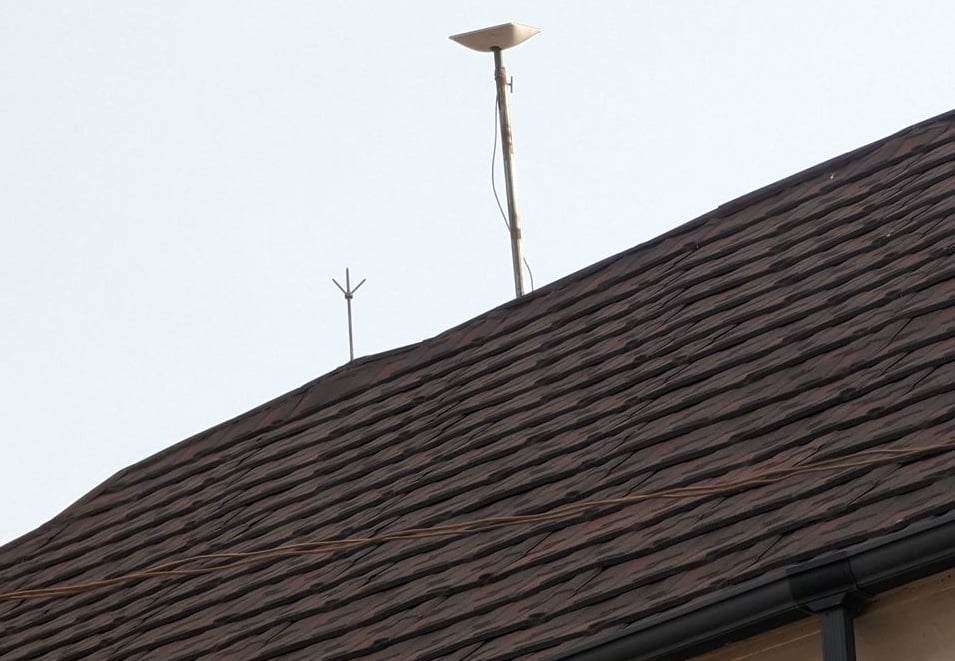
Kamusta, Victoria from Techpoint here, Here’s what I’ve got for you today: Elon Musk escalates fight over SA telecom laws Microdramas could change nollywood forever Ghana ditches telecom fines for towers Malawi looks to India for fintech boost Elon Musk escalates fight over SA telecom laws On April 12, 2026, Elon Musk jumped on X, setting the Internet on fire. The SpaceX CEO accused South Africa of blocking Starlink’s licence purely on racial grounds, claiming he was offered ways to bypass ownership rules through misrepresentation or even bribes, which he says he rejected “on principle.” He didn’t stop there, calling South African politicians “unashamedly racist” and urging a global boycott. As of now, the government hasn’t officially responded. At the centre of all this is South Africa’s Broad-Based Black Economic Empowerment (B-BBEE) policy, which requires foreign telecom companies to have at least 30% local Black ownership before getting licensed by the Independent Communications Authority of South Africa (ICASA). That’s a problem for Starlink because SpaceX typically keeps full ownership of its operations globally. Instead of equity, the company proposed a workaround: a R500 million investment to connect 5,000 rural schools, potentially reaching over 2 million students. But here’s where things get messy. Regulators have repeatedly pointed out that Starlink hasn’t actually submitted a licence application yet. So while Musk says the service is being “blocked,” the process hasn’t even formally started. That makes the whole situation less straightforward than it sounds, especially as the regulatory pathway itself is still being worked out. Meanwhile, the demand is obvious. More than 18 million South Africans still lack high-speed Internet, and the government wants to connect 5.5 million more households by 2026. Starlink is already active in countries like Nigeria, Kenya, and Rwanda, making South Africa’s absence stand out even more. The irony (for fun)? Musk himself was born in Pretoria, yet his service is live across neighbouring countries while South Africa remains offline. This standoff has been building for a while. Through 2025, there were attempts to find middle ground, including proposals to allow investment-based alternatives to ownership rules. Solly Malatsi even pushed for regulatory changes, but the process is slow and still ongoing. With telecom giants like MTN and Vodacom raising concerns, and political groups threatening legal action, this is far from over. What happens next won’t just affect Starlink, it’ll shape how global tech companies navigate Africa’s biggest markets. Microdramas could change nollywood forever Microdramas could be the future for Nollywood If you’ve been on TikTok or Snapchat lately, you’ve probably seen them. Those dramatic, slightly over-the-top clips that end right when things get interesting, nudging you to download an app to keep watching. You might have laughed at how predictable they are and still downloaded the app anyway. That’s microdrama, and what looks like throwaway content is quietly becoming one of the fastest-growing segments in global entertainment. Victoria Fakiya – Senior Writer Techpoint Digest Stop struggling to find your tech career path Discover in-demand tech skills and build a standout portfolio in this FREE 5-day email course The numbers tell the real story. In China, microdrama revenue has exploded from $500 million in 2021 to about $7 billion in 2024, with projections pushing it past $16 billion by 2030. Outside China, the market is also picking up pace, crossing $1.4 billion globally, while the United States alone generated over $800 million last year. Platforms like DramaBox and ReelShort are already pulling in hundreds of millions. Now stack that against Nigeria’s Nollywood cinema revenue of roughly $10 million in 2025, and it’s clear: this isn’t a trend Nollywood can afford to ignore. Interestingly, microdramas look a lot like what Nollywood has always done. Think fast production cycles, tight budgets, and emotionally charged storytelling. The difference is the format. Instead of slow builds, these stories move at breakneck speed, delivering twists every 60 to 90 seconds. That’s a creative shift, but not an impossible one. Nollywood already thrives on volume, mid-tier talent, and high-stakes narratives. If anything, microdramas might be a natural extension of an industry that has always been built on speed and adaptability.Then there’s the monetisation puzzle, and this is where things get really interesting. Microdrama platforms are proving that people will pay for short-form content, whether through subscriptions, pay-per-episode unlocks...